Energy.
Caffeinated leaf for the morning cup.
Tea and coffee both carry caffeine. Here we compare the flavours and preparation of matcha, Assam black, sencha and pu-erh, with notes on caffeine content.
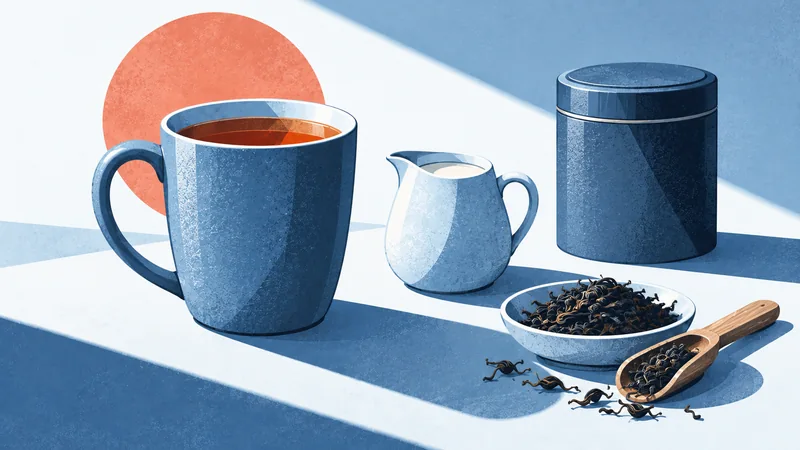
What goes in the pot
Caffeine varies with the product and recipe. A tea type alone does not tell you the amount in a cup. The styles below all contain caffeine; the Journal guide explains how to compare figures with their serving sizes.
Matcha
Finely ground tea leaf, whisked into water. Thick, green and sweet-savoury; the grams of powder matter when describing a serving.
Assam black
Malty and brisk, often served with milk. A useful starting point if you like a full-bodied breakfast cup.
Sencha
Grassy, clean and sometimes marine in flavour. Follow the maker’s temperature and timing for the particular tea.
Pu-erh
Earthy or woody, with a wide range of styles. Try successive infusions for a changing flavour; they are not necessarily caffeine-free.
Getting the brew right
For a first brew, follow the packet recipe. Many black teas use near-boiling water; Japanese greens often use cooler water. Leaf quantity and time matter too. Bitterness is not a reliable caffeine measurement.
For a full-bodied cup, try a malty Assam or whisked matcha. For a lighter flavour, start with sencha. Choose the style you enjoy drinking.
From the Journal
Be first to sip. No spam — one note when we open.